In Sequence with mervin toussaint
Penned and Pictured by Philip David Cobb
Before any shoot, I like to prep the studio and test the scene — sometimes days ahead of time, sometimes multiple times throughout the day. I’ll jot down a few notes along the way, just enough to give the session structure without scripting it.
It’s a habit I picked up during my time as an understudy to a wedding photographer, one of the arenas where photographers really cut their teeth. The pace is fast, the scenes change constantly, and the elements can be unpredictable. You learn how to work within constraint — and you learn, quickly, how much you still have to learn.
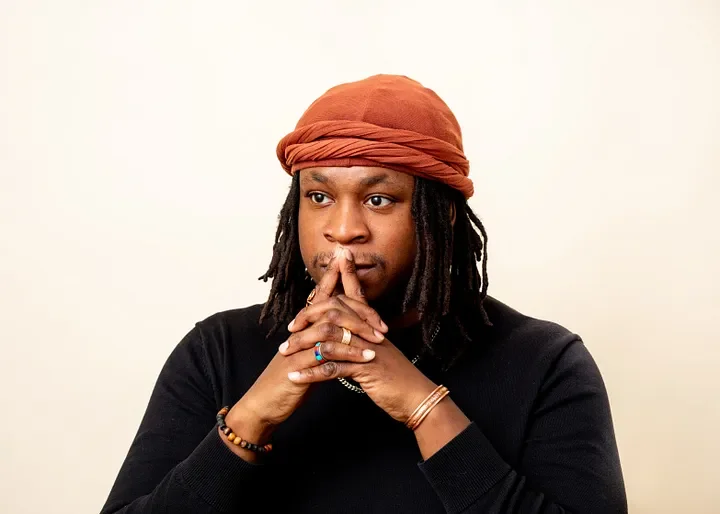
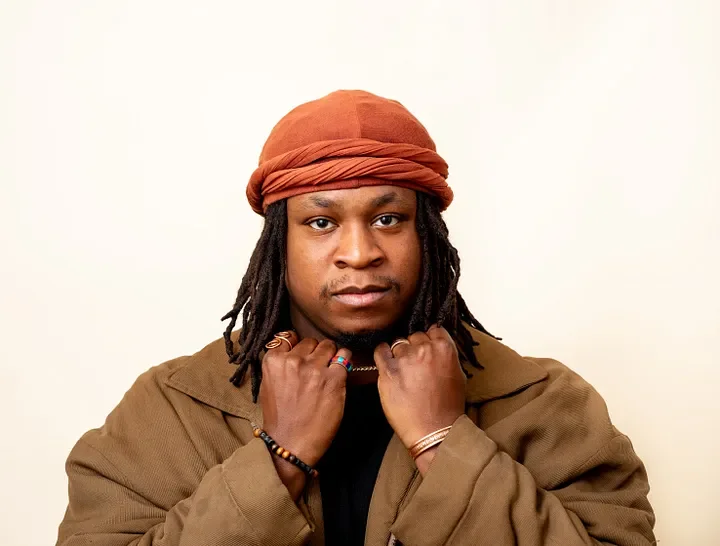
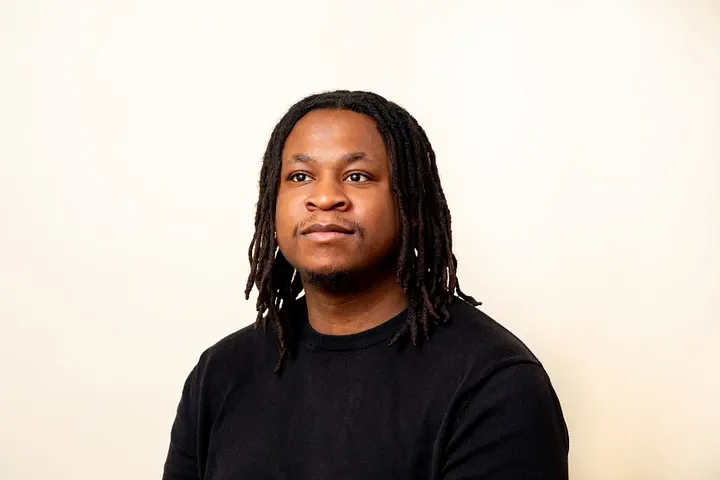
That preparation usually gives me a sense of direction. But this session opened differently. Before I could guide us anywhere visually, Mervin Toussaint asked: “Why photography?”
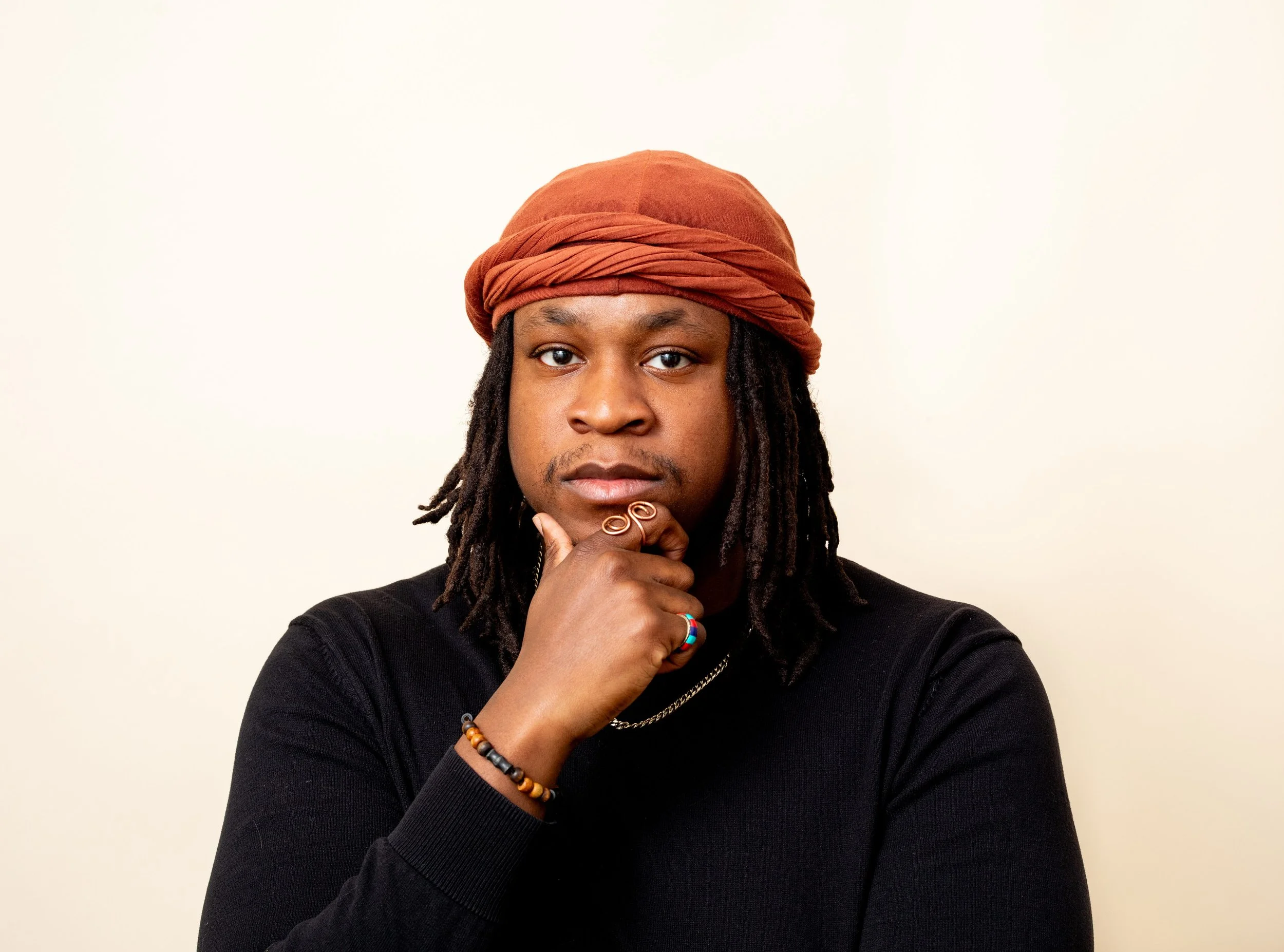
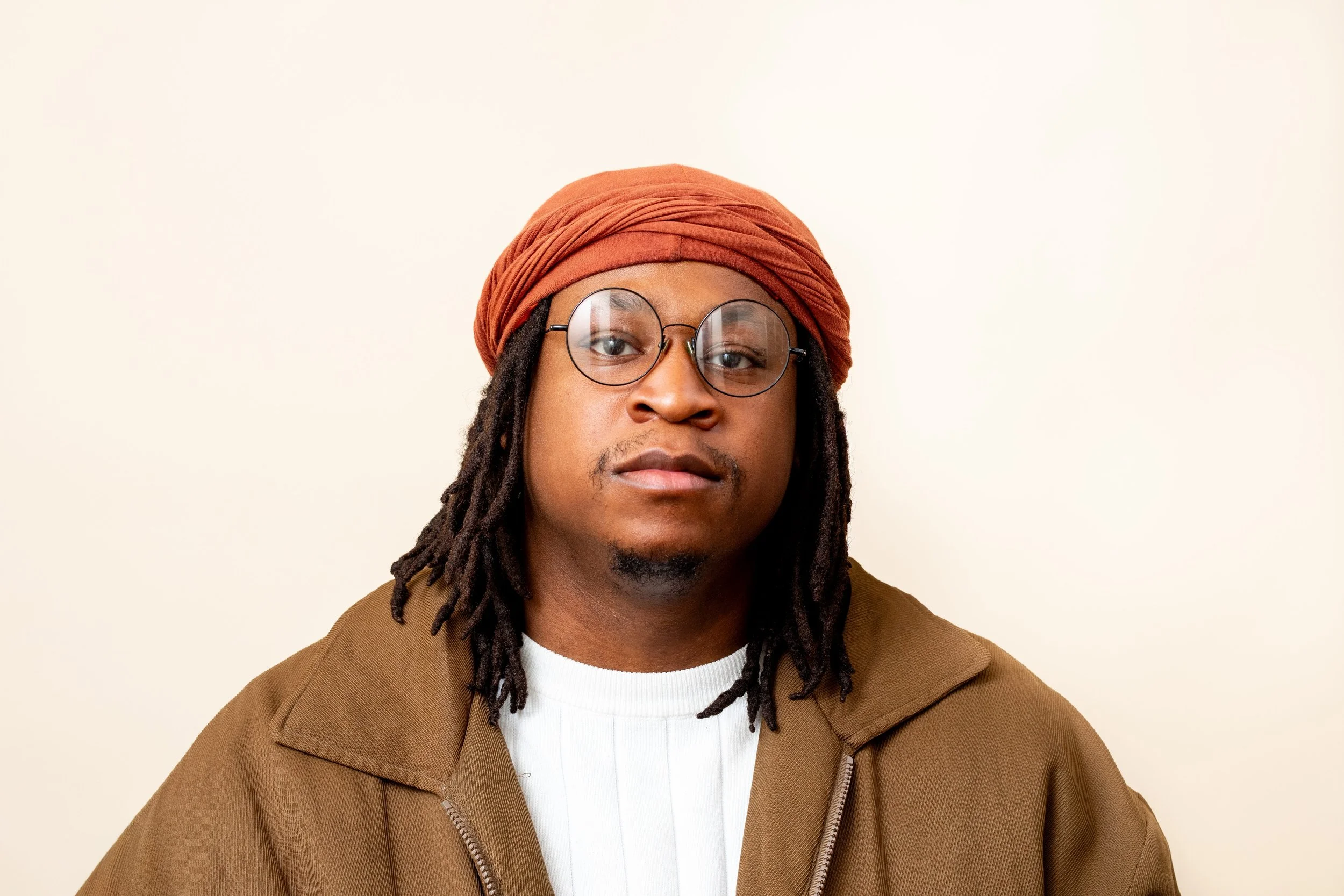
It’s a simple question. Direct. But simple questions are often the ones that linger, especially when you realize you haven’t ever taken the time to fully deconstruct your own answer. It’s the kind of disarming question I’ve come to expect from him.
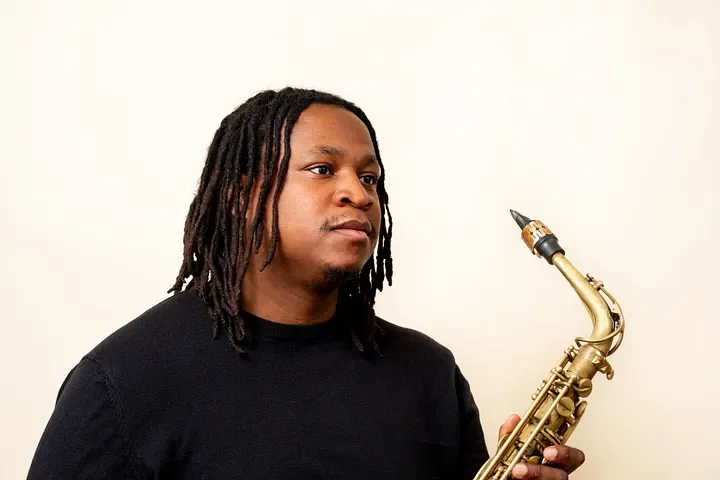
Since I’ve known him — a serendipitous encounter I can unpack over drinks — Mervin Toussaint has been deeply cerebral. Our conversations have always pushed beyond the surface and into larger territory: career, family, faith, or how the world forces one into rigidity. More often than not, the thread finds its way back to music — the ground, as he describes it, that the rest of his life sits on.
I hadn’t really unpacked the question before, but it has something to do with the process. The act of composing a really good image — and knowing immediately when you’ve got it. Learning the sweet spot of your tools once they’ve been worn and patina’d to fit the way you move and see the world. A lot of it is deeply personal and intuitive. I’d imagine this is how many craftsmen feel.
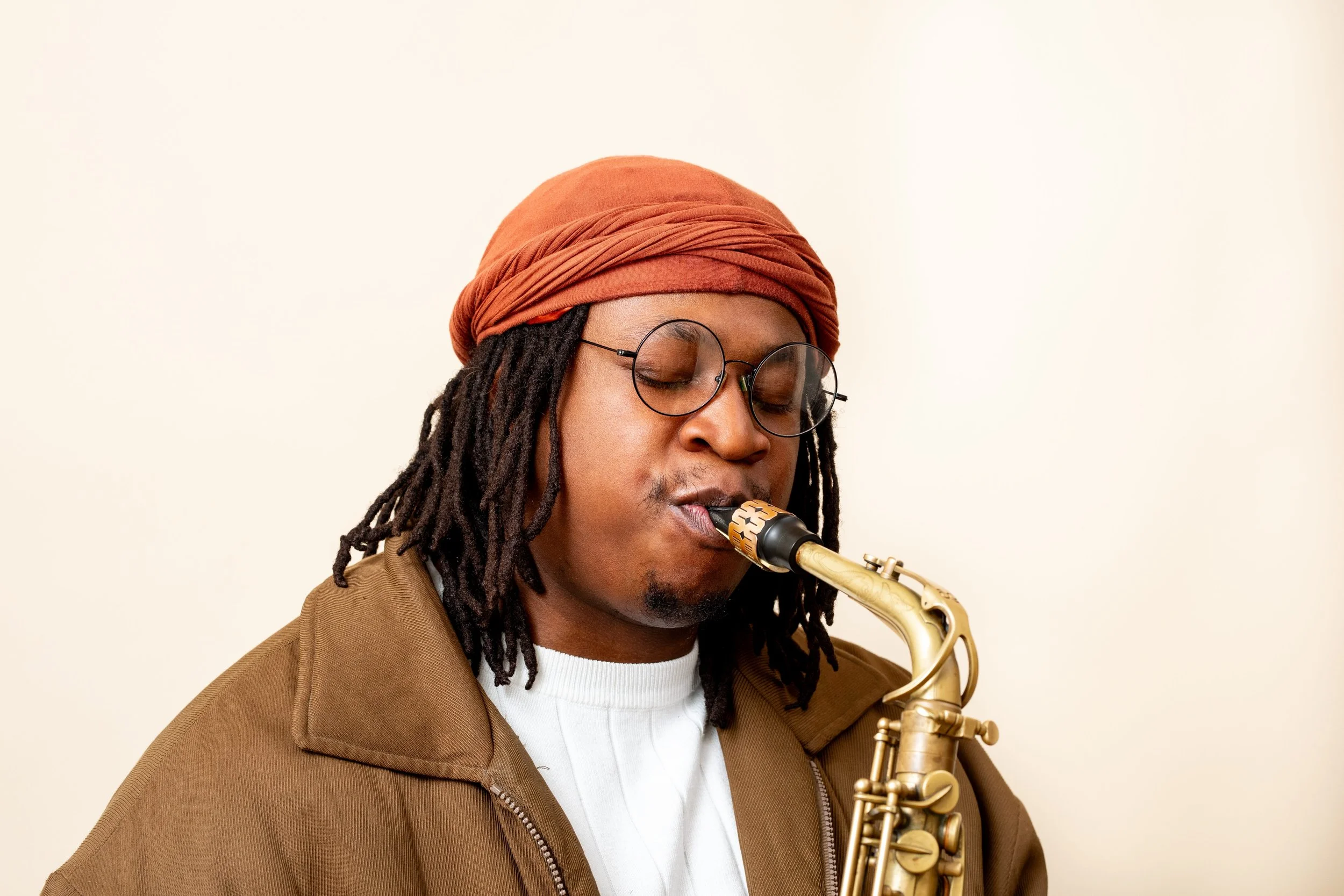
Mervin expanded on the thought, acknowledging that the process also isn’t just about output — or the parts that look good or come easily — but about committing to the unglamorous work as well. About addressing deficiencies, treating them as areas that demand attention if the work is going to hold up over time.
When I asked him what he still needed to work on, I didn’t expect many answers, if any. To most musical mortals, Mervin doesn’t appear to have gaps in his game. I’ve watched him step into sets with minimal rehearsal and decisively add exactly what the music needs — take over, even. But I’ve also heard him practice. And there’s a humility to it: moving from the most basic “do-re-mi’s” to musical ideas that sit well beyond a casual ear, never too good for the fundamentals.
The shoot occurred over two days because sometimes I need to be in a scene, step away, and return for it to click; and, to quote one of the greats, “I’m an artist and I’m sensitive about my [expletive redacted].” Mervin returned willingly, with the same focus he brings to his sound, ready to refine. He has an album out, and I’ve found myself returning to one record in particular, “Alma”, more than any other. When I mention it, he usually shrugs, joking that he could have done better — a small, self-deprecating nod to the iterative nature of the music he creates.
Our conversations reminded me of what Simon Sinek and James Carse call the “infinite game” — the idea that some pursuits have no true endpoint. So then work becomes a continuum, a commitment to the process itself. Mastery and meaning come from showing up and continually expanding what’s possible. The game, in the end, is simply to keep playing.
We wrapped the visuals on day two, and I was glad to hear Mervin was planning to record some new music in the coming months. It felt fitting — the work is never done, and there’s always room to explore what comes next.